
History of Solidarity Sunday
DignityUSA, the national organization of LGBTQ+ Catholics, started Solidarity Sunday in 1995. Its board of directors saw that most American Catholics, 70 to 80 percent, supported equal rights for gay and lesbian people, and it invited them to stand together to end verbal and physical abuse. About 35,000 people took part in the first observance on October 8, 1995. Since then, people of every faith tradition have joined, and it has been observed in almost every state. It is now held each year on the Sunday before National Coming Out Day. It is dedicated to the memory of those who lost their lives to violence because of who they were, or who others thought they were
.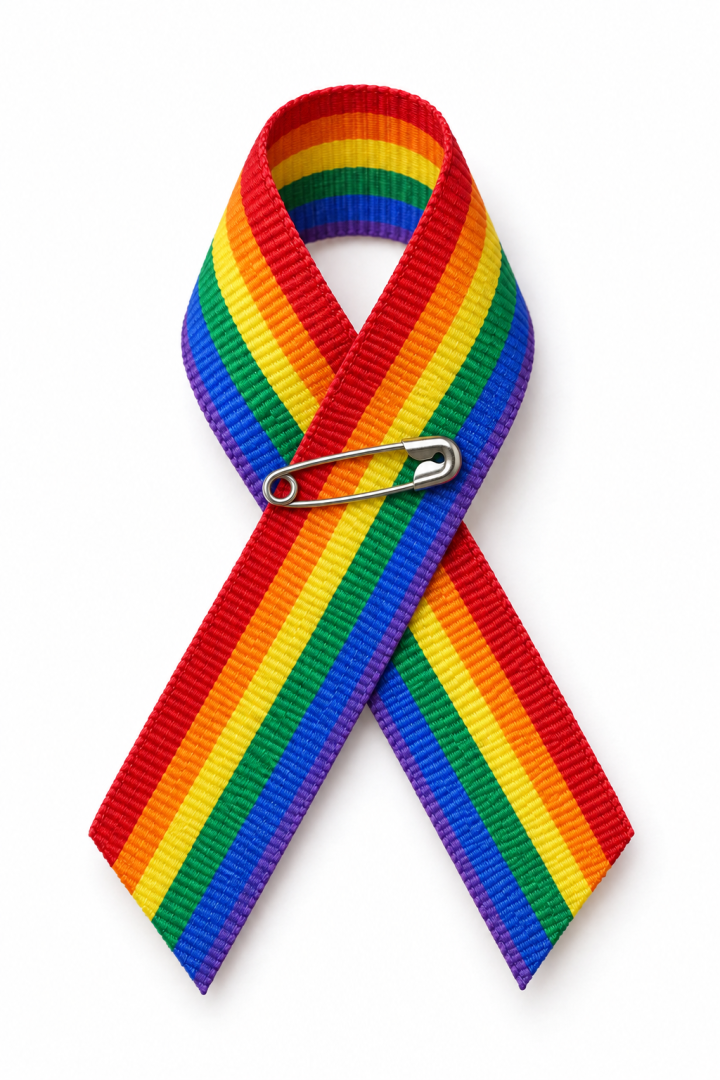
Wearing the Rainbow Ribbon
The rainbow ribbon is a visible sign of support for lesbian, gay, bisexual, transgender, queer and intersex people.
-
Pin a short piece of striped rainbow ribbon to your lapel or collar. You can buy the ribbon at fabric stores or online.
-
DignityUSA asks participants to wear the ribbon at all times, not only on Solidarity Sunday.
-
Hand out ribbons at the door, or bless them during the liturgy and give them out at the sending forth.
-
When someone asks about your ribbon, explain what it means. That conversation is part of the witness.
Solidarity Sunday Prayer
Please substitute for the word "God" the most appropriate to your faith tradition.
God, You are the Creator and Lover of all. You wish us to live in solidarity with each other and to rejoice in our diversity.
We pray that all Your lesbian, gay, bisexual, transgender, queer, intersex and straight children may experience justice, enjoy peace and spread Your love throughout the world.
We pray in the name of God, who welcomes all to a holy circle of friendship. Amen.
Solidarity Sunday Pledge
I pledge:
I will work for civil and human rights for all people, including lesbian, gay, bisexual, transgender, queer and intersex people. Civil rights are not special rights.
I will seek to stop jokes and unkind language about anyone, including lesbian, gay, bisexual, transgender, queer and intersex people when spoken in my presence. Words that hurt and bigotry are not funny.
I will speak out against any slander, debasement, lies or dehumanization of anyone, including lesbian, gay, bisexual, transgender, queer and intersex people including when spoken by political or religious leaders. Violent speech leads to physical violence.
I will work to stop physical violence against anyone, including violence against lesbian, gay, bisexual, transgender, queer and intersex people. Violence against any person is violence against all people.
- Log in to post comments
